The Evolution of Web Design
The development of web design over the past few decades is a fascinating fusion of technological progress, changing aesthetic standards, user habits, and device capabilities. By analyzing the appearance and functionality of the most popular websites and services—from their early versions to today’s—we can observe how dramatically the way we design and use the internet has changed.
The 1990s: The Early Internet and Static HTML
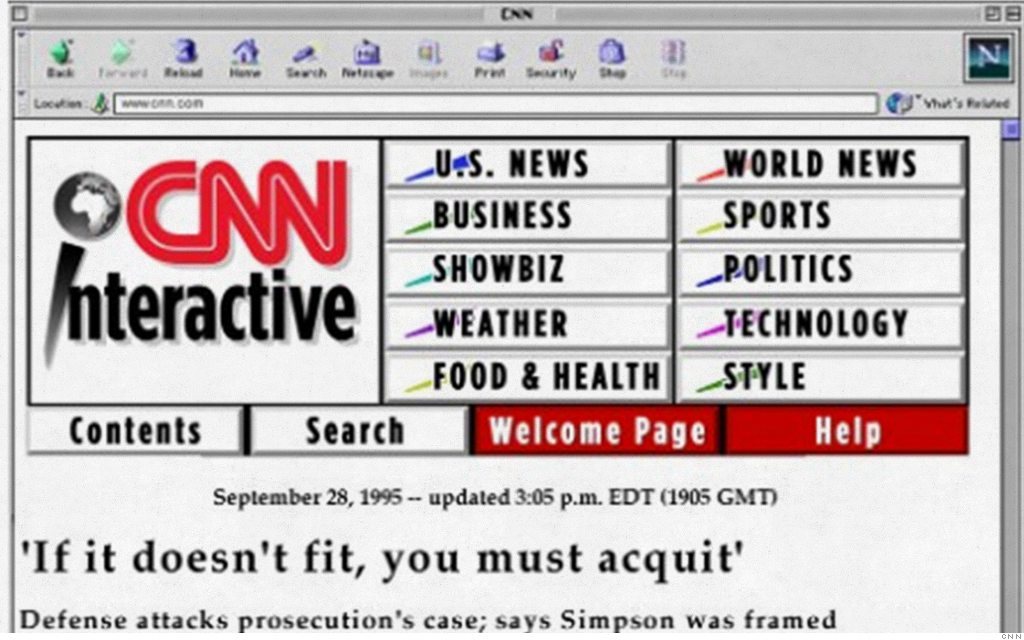
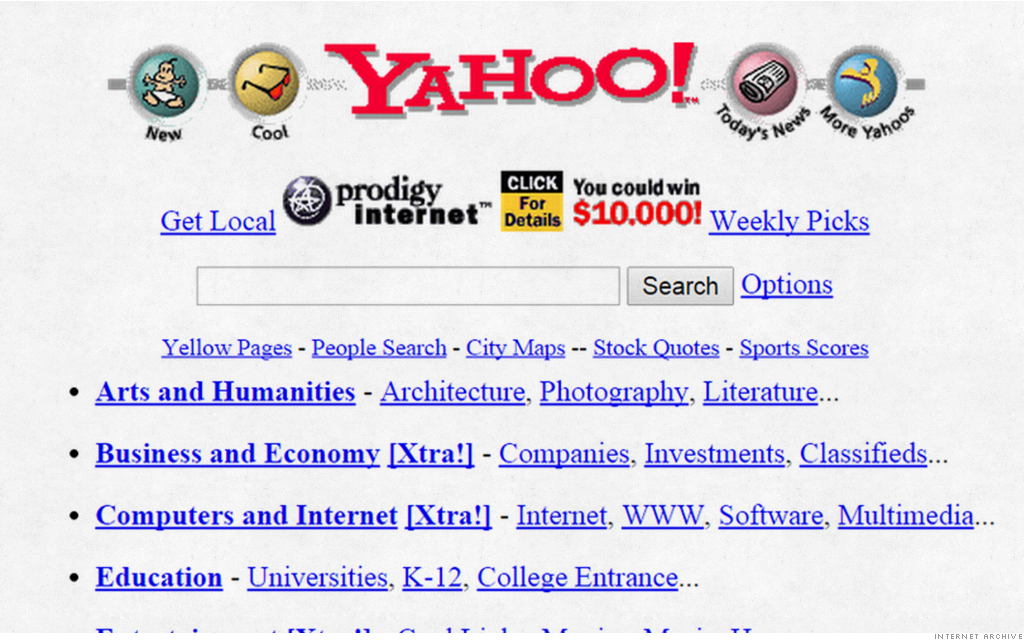
In the early days of the internet, websites were created almost exclusively using basic HTML. They were static, simple, and lacked design in the modern sense. Color usage was limited, graphics were minimal, and typography was plain. With slow internet speeds, web aesthetics prioritized functionality over visuals. Websites like Yahoo! and Google, in their earliest versions, looked more like plain documents than complex platforms.
Early 2000s: The Introduction of CSS and Flash
In the early 2000s, web design began to evolve significantly with the introduction of CSS (Cascading Style Sheets), which allowed for the separation of content from design. Flash technology introduced animation and interactivity, enabling much more creative visual expression. However, Flash had drawbacks—it required additional plugins and was often too heavy for users with slower connections.
Mid-2000s: The Web 2.0 Era and User Experience Focus
With the rise of “Web 2.0,” design became more user-oriented. Design patterns became standardized: navigation menus, call-to-action buttons, registration forms, and icons that made interaction easier became common. Sites like Facebook, YouTube, and Twitter set the standard for social networks and user platforms. Visual hierarchy, consistency, and usability became key design principles.
The 2010s: Responsive Design and Minimalism
With the emergence of smartphones and tablets, design had to adapt to various screen sizes. Responsive design became the new norm. The use of grid systems and flexible layouts allowed content to look good across devices. Minimalist approaches—often inspired by Scandinavian design and modern UI trends—gained popularity, emphasizing white space, clean typography, and fast loading times.
Today’s Trends: UI/UX, Dark Mode, Microinteractions, and AI
Today’s web design relies on sophisticated UI (User Interface) and UX (User Experience) concepts. Interactions have become deeper yet more intuitive, thanks to microinteractions, animations, smooth transitions, and adaptive components. Dark mode options are now widespread, and designers frequently adopt a “mobile-first” approach. Artificial intelligence is increasingly used to personalize content and even generate design solutions and prototypes automatically.
From static pages meant primarily for information to interactive, visually rich, and user-centered platforms—web design development reflects the broader evolution of digital technology and how people interact with information. Today, successful web design requires a balance between aesthetics, functionality, and technical optimization.