Examples of Bad Logos
Evaluating logos as the “worst” can be subjective, as design tastes vary from person to person. What one considers a bad logo might be acceptable or even appealing to another. However, some logos have gained notoriety for their poor design for various reasons. Here are a few logos that have attracted public attention due to their design flaws:
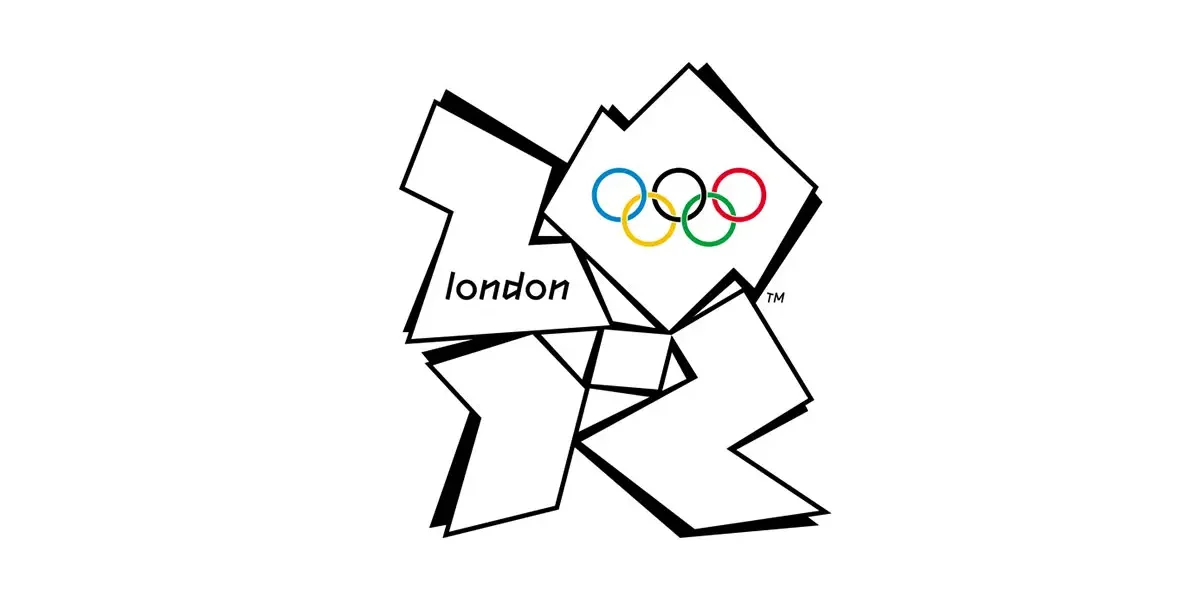
London 2012 Olympics Logo
Designed by Wolff Olins, the London 2012 Olympics logo aimed to break away from traditional designs, evoking strong, polarized reactions for its disruptive style.
Inspired by graffiti and an energy grid, the logo intentionally challenges conventional aesthetics, leading to debate regarding its appropriateness for the Olympics.
Pepsi 2020 Logo
In 2020, Pepsi introduced a new logo that faced criticism for its resemblance to the logo of the sugar company “Tate & Lyle.”
This similarity sparked controversy and led to discussions about the originality of the design.
Gap 2010 Logo
In 2010, Gap unveiled a new logo that was met with overwhelming criticism and ridicule, leading to its withdrawal just a week later.
Marketed as a symbol of the brand’s evolution, the logo was compared to a failed airline emblem and was deemed outdated and unfashionable.
Tropicana 2009 Logo
In 2009, Tropicana redesigned its packaging and logo, removing the recognizable orange straw.
This change caused confusion among customers, leading to a decline in sales and prompting the company to revert to its original design.
Airbnb 2014 Logo
Airbnb’s 2014 logo, named “Belo,” was designed to represent “the universal symbol of belonging.”
However, it faced backlash on social media, with many commentators suggesting it resembled sexual organs and other parts of the human body.
Despite the criticism, Airbnb defended the design, stating that it was a symbol for going where the locals go and welcoming new experiences.
It’s important to note that design trends evolve over time, and logos that were criticized in the past might not be as controversial today.
Additionally, poor design can have various consequences, including a negative impact on brand recognition and user perception.