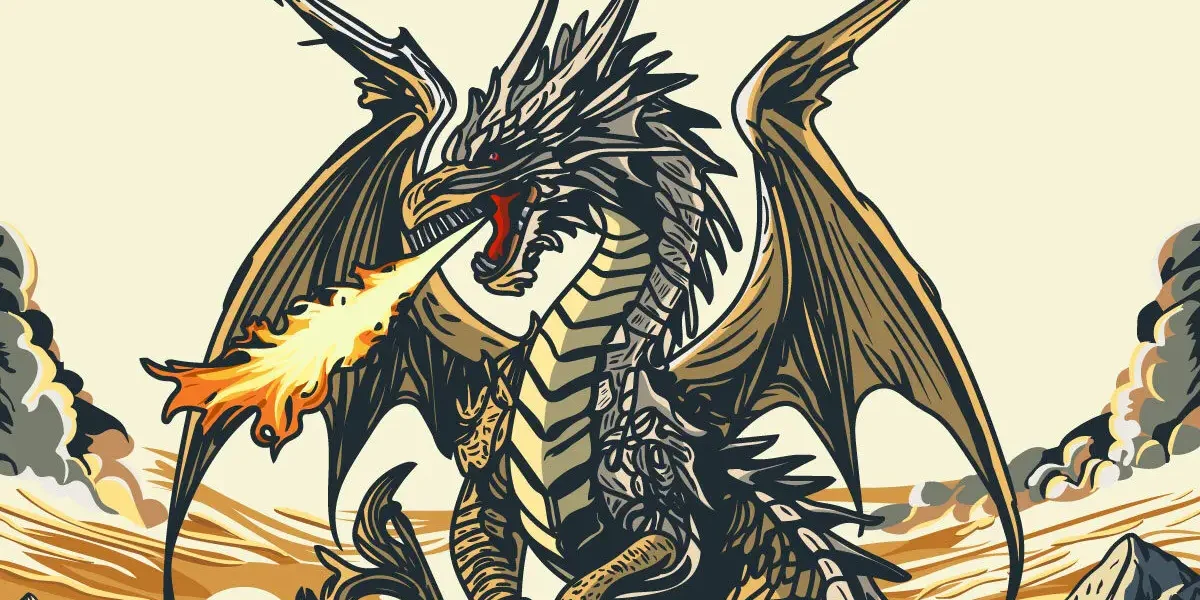
Dragons in Mythology and Culture: Symbols of Power and Protection
Dragons are among the most fascinating creatures in world mythology. Their presence in legends and folklore spans centuries, symbolizing power, wisdom, protection, and even destruction. Their appearance and meaning vary from culture to culture, from terrifying beasts to divine creatures.
Dragons in World Mythologies
-
Chinese Culture: In Chinese mythology, dragons symbolize luck, prosperity, and natural forces. They are often depicted as long, serpent-like creatures with four claws and are most frequently associated with water and rain. Dragons were believed to be protectors of imperial families, and they often adorned the emperor’s robes and palaces, believed to ensure prosperity and peace.
-
Western Mythology: In European legends, dragons are often depicted as fearsome beasts guarding treasures or kidnapping princesses. They represent obstacles that heroes must overcome to gain glory and reward. One of the most famous examples is the legend of Saint George and the Dragon, where the dragon represents evil that must be defeated.
-
Hindu Mythology: In Hinduism, dragons are associated with Nagas, serpent-like deities that are guardians of water and wealth. While Nagas can be dangerous, they are also depicted as beneficial beings, bringing protection and fertility. In this context, dragons serve as dual symbols—powerful yet helpful.
Dragons in Serbian Mythology
In Serbian mythology, dragons hold a special place. They are often portrayed as protectors of people and villages, fighting against evil forces. Unlike the dragons in Western traditions, Serbian dragons are not necessarily enemies but are powerful beings fighting on the side of good.
One of the most famous examples is the Legend of the Dragon of Avala, which tells of a creature that protected the people from disasters and enemies. It was believed that dragons lived in mountains, caves, or clouds, and they could bring rain in dry times, providing protection for people.
Dragons are also connected to mythological heroes. In folk songs and stories, heroes with “dragon’s blood” possess supernatural strength, courage, and the ability to fight evil, making them nearly divine figures. These heroes were regarded as brave, and dragons, in this sense, become symbols of strength and protection.
Symbolism of Dragons
Regardless of their interpretation in different cultures, dragons universally symbolize power, transformation, and protection. They represent natural forces that must be understood and tamed, as well as the internal struggles that people recognize in their daily lives. As symbols of power, dragons point to rulership, strength, and the ability to overcome obstacles, while as protectors, they signify defense and the fight for good.
In Serbian tradition, dragons are often associated with the idea of protection and strength, making them inspirational and significant symbols in art and literature. Dragons are, therefore, central to folklore and mythology, frequently appearing in illustrations, songs, and stories.
If you’d like to order a dragon illustration or explore the deeper meaning of this symbol, feel free to reach out and order a unique illustration that reflects your desired style.